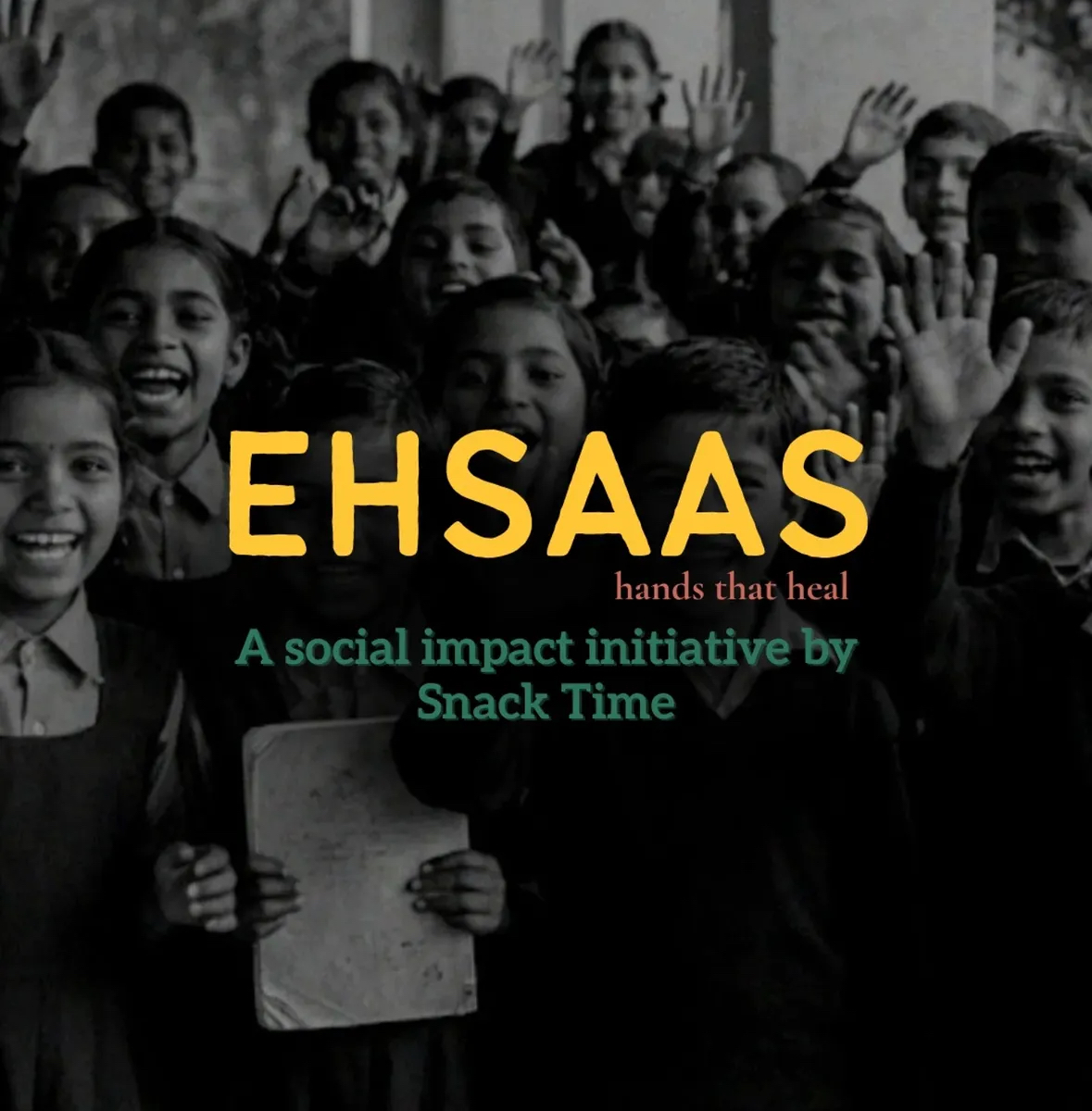
Ehsaas 2026 began as a simple initiative rooted in the idea that what we have is not universal, and that awareness of this can be shaped early through participation rather than instruction. What started with a few kindness boxes placed across accessible community spaces in Mumbai gradually evolved into a larger, city-wide movement. As more individuals and families engaged with the initiative, the number of locations expanded, allowing the drive to reach a wider audience and encourage more people to take part in a shared act of giving. Over the course of the month, these spaces became quiet points of reflection, where contributions were not just items, but decisions made with intent. Through this process, the initiative moved beyond donation and began to build a sense of involvement across different parts of the city.
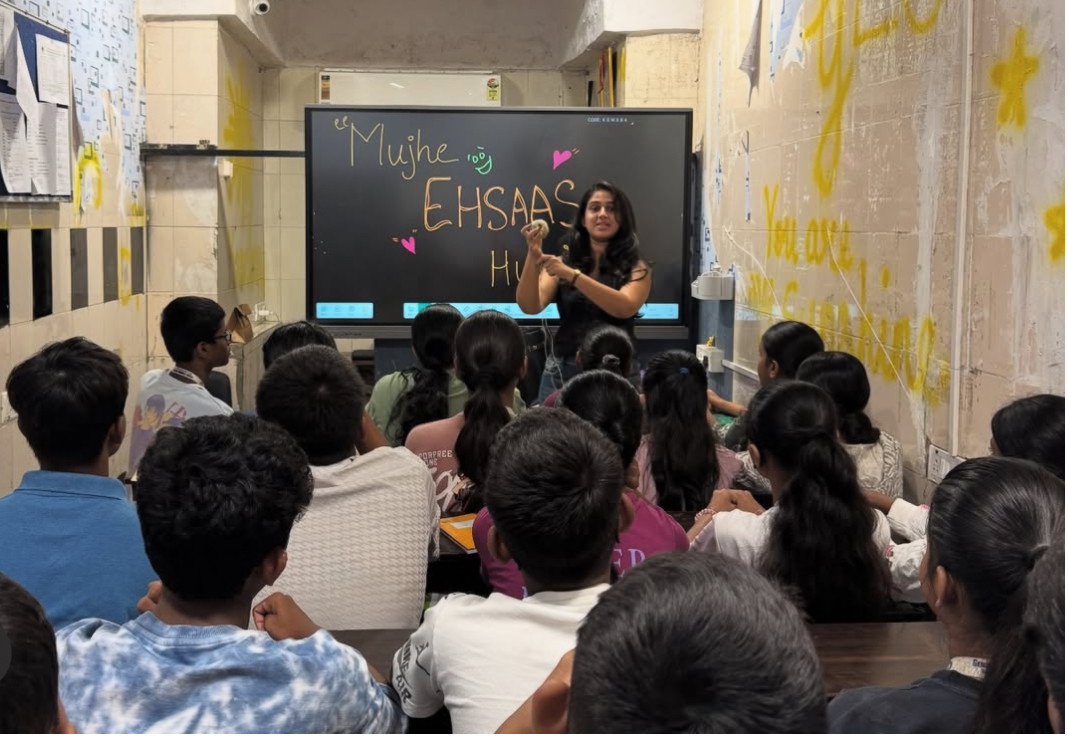
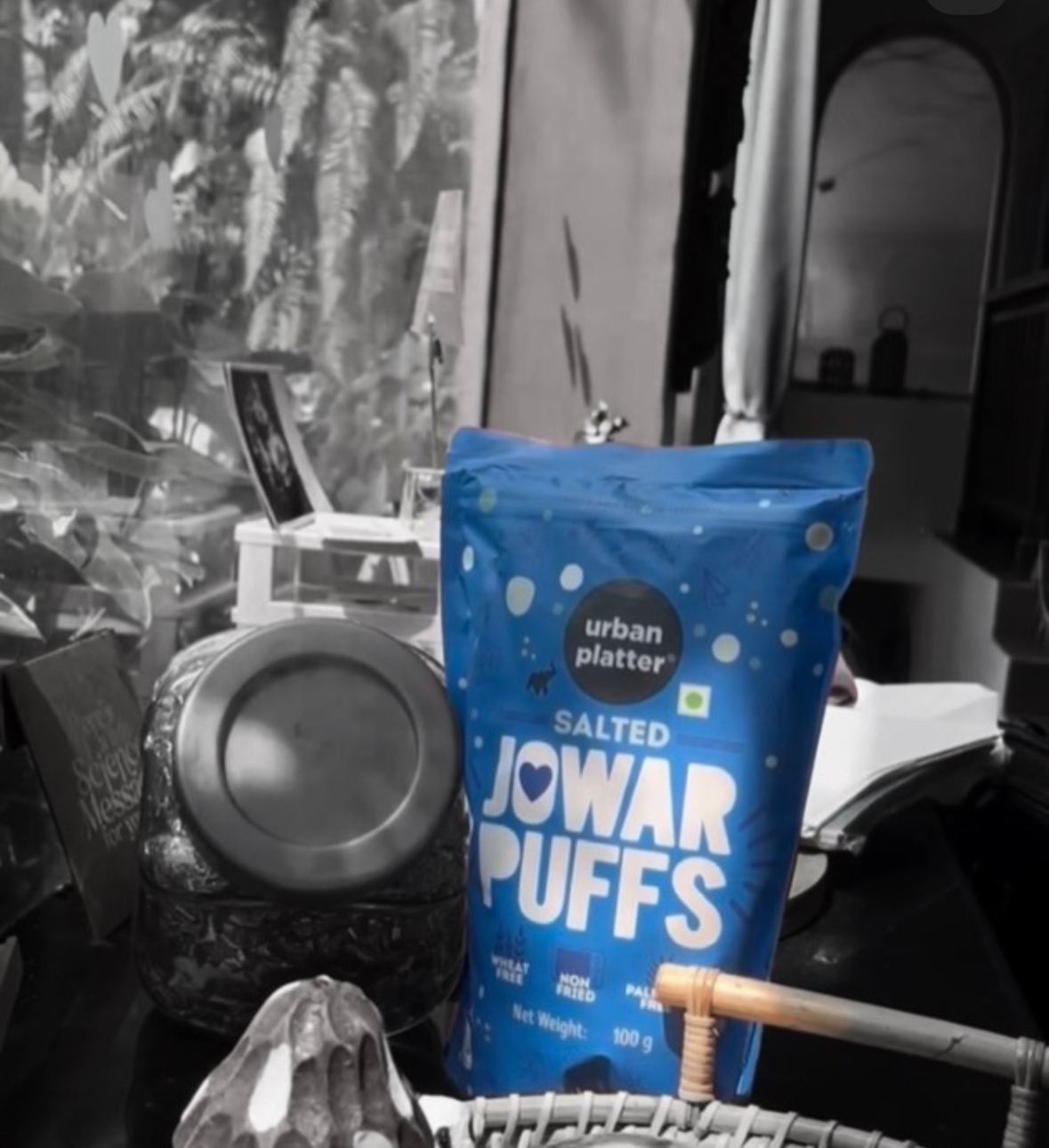
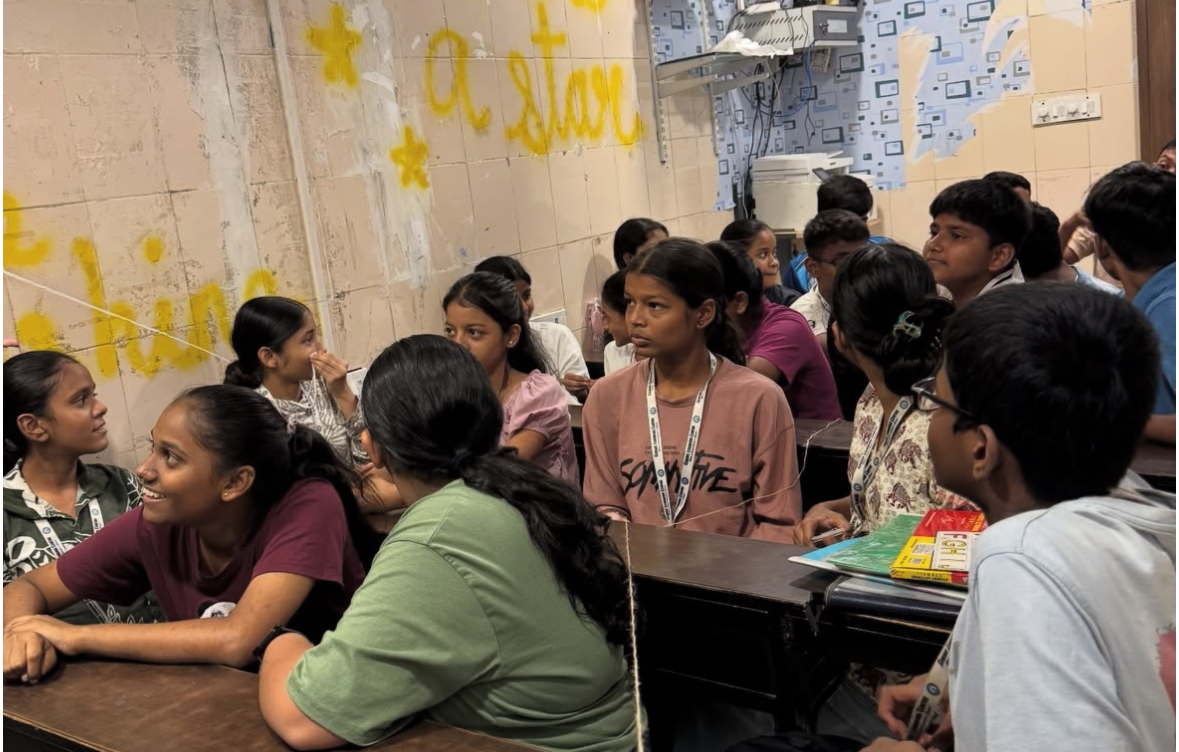
A significant part of Ehsaas 2026 was the inclusion of a classical arts workshop, where 41 children were introduced to Kathak as a form of storytelling and self-expression. This experience created a space for discipline, confidence, and cultural engagement, allowing children to explore movement and narrative in a structured yet open environment. The initiative concluded with a large-scale hamper distribution, where 300 hampers were assembled through contributions from community members and partners. These hampers were carefully put together by volunteers, team members, and participating children, ensuring that the process remained participatory at every stage. The final distribution reached 300 children, completing a full cycle that began with individual contributions and ended with shared impact.
Ehsaas 2026 was made possible through the collective effort of community spaces, families, volunteers, and partner organisations who came together to support and enable the initiative. What emerged from this collaboration was not only a measurable outcome in terms of numbers, but a model of engagement that demonstrated how participation can be both simple and meaningful when designed with intention. The initiative showed that when children are given the opportunity to make decisions, reflect, and act, they are capable of engaging with empathy in ways that are thoughtful and lasting. This foundation now sets the direction for future iterations, where the focus remains on expanding reach while preserving the core idea that small, intentional actions can lead to meaningful change.
Ehsaas 2026 showed us that empathy cannot be taught through instruction alone; it must be experienced through small, personal decisions. When children are given the space to choose, reflect, and participate, their understanding of sharing becomes more intentional and meaningful.
What stood out most was the role of involvement. Parents, spaces, and communities were not just contributors, but active participants in the process. The act of giving was often preceded by hesitation, conversation, and thought—and it was within these moments that real awareness was formed. The simplicity of the model allowed it to grow organically, with more people choosing to engage not because they were asked to, but because they connected with the idea.
Somewhere between holding on and letting go, a child begins to understand that what they have can mean something to someone else.